Over the past five years, the global craft and handmade market has transformed from a niche hobby sector into a multi-billion-dollar economic powerhouse. Driven by a shift toward personalized products, a resurgence in DIY culture, and the rapid expansion of digital marketplaces, creative enterprise is thriving like never before.
Whether you are a seasoned maker, a craft fair organizer, or a small business owner navigating custom production, understanding these market dynamics is essential for staying ahead of the curve.
How the Craft Market Has Grown Over the Last 5 Years
The journey over the last five years marked a major transition in consumer behavior. What began as a stay-at-home hobby boom during the early 2020s has matured into a permanent, value-driven lifestyle shift.
- Surge in Market Valuation: The global arts, crafts, and handmade industry expanded from roughly $40–$47 billion in the early 2020s to over $50+ billion today, with broader handicraft and artisanal markets reaching into the hundreds of billions globally.
- E-Commerce & Social Commerce Integration: Traditional craft shows and brick-and-mortar boutiques were joined by a massive digital expansion. Platforms like TikTok Shop, Instagram Shopping, and dedicated craft marketplaces have made direct-to-consumer sales faster and more accessible.
- Rise of the Creative Entrepreneur: Low barriers to entry—fueled by accessible desktop machinery like vinyl cutters, laser engravers, Direct-to-Film (DTF) printers, and 3D printers—empowered millions of hobbyists to launch commercial enterprises from home workshops.
- The “Human Pride” Rebound: As AI and automation saturated mass media and mass production, consumer appreciation for tactile, human-made items skyrocketed. Authentic craftsmanship and local artistry now command higher price points.
Key Sectors Within the Craft Market
The craft ecosystem spans several distinct product categories, each experiencing its own growth trajectory:
1. Home & Living (Woodworking, Decor, & Ceramics)
Home decor remains the largest single category in the handmade sector. Custom laser-cut signs, handcrafted furniture, functional pottery, and artisan soy candles continue to dominate household purchasing, driven by modern home renovation trends and personalized interior design.
2. Custom Apparel, Textiles, & Embroidery
Wearable art and customized apparel represent one of the fastest-evolving sectors. Techniques ranging from traditional screen printing and machine embroidery to modern DTF transfers and upcycled vintage garments allow makers to offer bespoke fashion with minimal turnaround times.
3. DIY Kits, Craft Supplies, & Tools
The market for raw materials, specialty tools, and all-in-one DIY project kits has seen massive growth. Consumers aren’t just buying finished goods—they want the experience of creating things themselves, leading to high demand for curated craft boxes and high-quality supplies.
4. Paper Goods, Stationery, & Personalization
Custom wedding stationery, greeting cards, vinyl decals, stickers, and event favors account for a substantial portion of day-to-day craft sales. Modern cutting tools and high-resolution digital printing make small-batch custom paper goods highly profitable.
What’s Hot for 2026: The Top Craft Trends
As we look at the current market landscape for 2026, several key trends are defining consumer demand and artisan innovation:
- Eco-Friendly & Upcycled Crafting: Sustainability is no longer optional. Recycled textiles, eco-friendly inks, biodegradable packaging, and upcycled materials are leading consumer purchasing decisions.
- Hybrid Digital-Physical Workflows: Makers are leaning into AI-assisted design software and vector generation tools to streamline prototyping, while relying on hands-on crafting techniques for final execution.
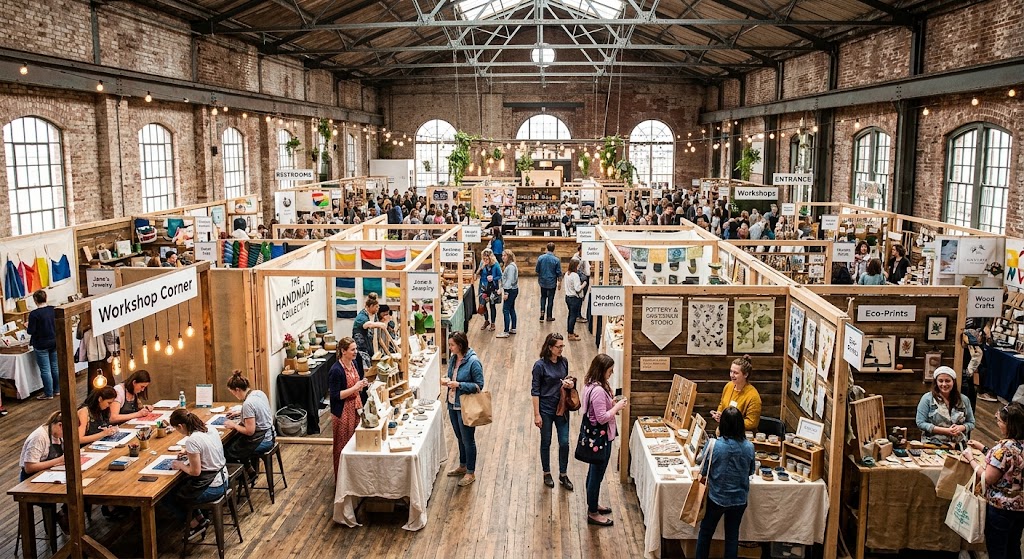
- Experiential Crafting & Live Workshops: Interactive craft workshops, community maker spaces, and live-streamed creative sessions are closing sales faster than static product listings.
- Tactile & Multi-Texture Finishes: Dimensional prints, raised embroidery, textured wood engraving, and mixed-media art pieces are trending strongly over flat digital prints.
- Hyper-Personalization: Shoppers expect tailored products, whether it’s custom monogramming, tailored color palettes, or bespoke gift items crafted for specific life events.